
Newlogs · 20 October 2026
Air Quality at Home: Practical Steps Before Buying Another Device
Outdoor pollution, cooking, smoke, incense, dampness and ventilation can all shape the air inside a home.
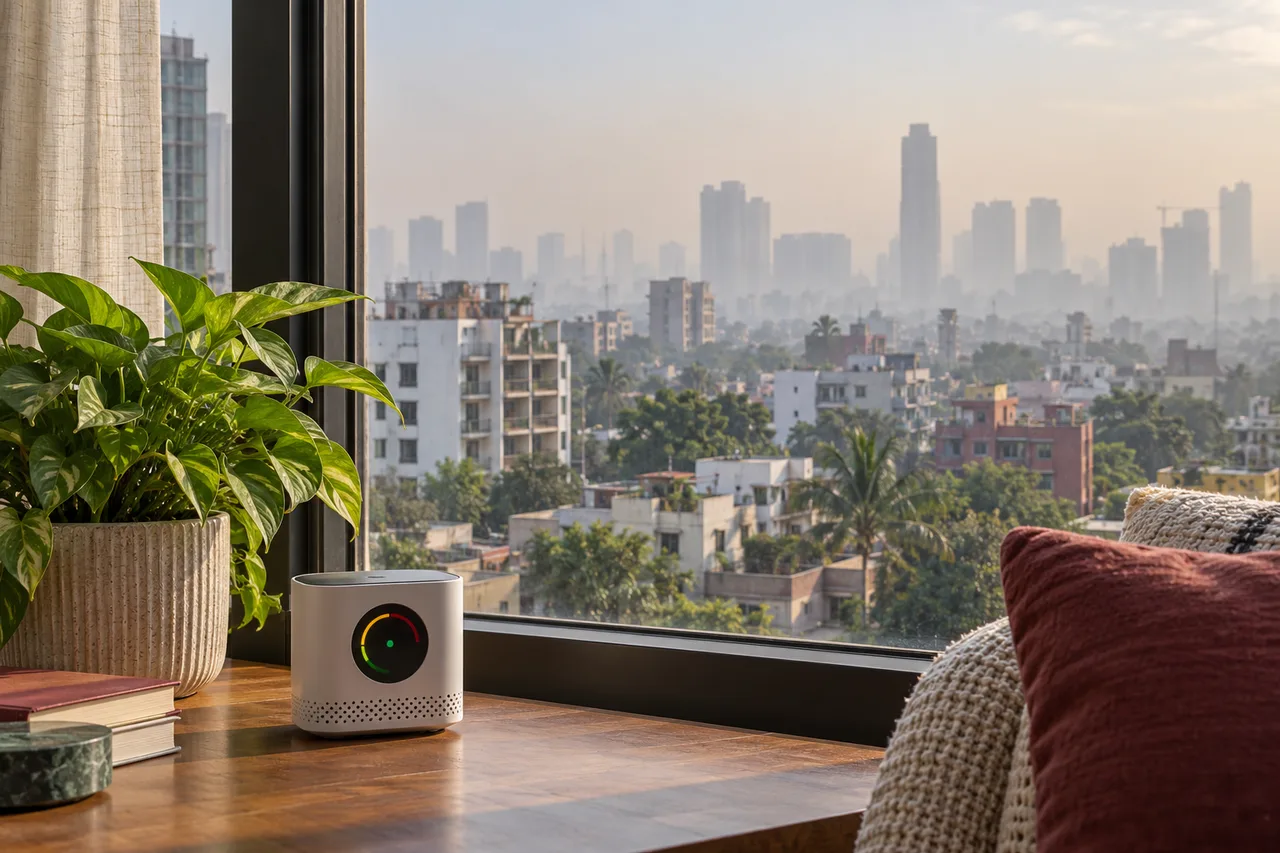
Indoor air is affected by both outdoor pollution and sources inside the home. Cooking smoke, tobacco smoke, incense, candles, dampness, mould and some cleaning products can contribute. Closing every window is therefore not always a complete solution.
Start with source control. Avoid smoking indoors, address visible dampness, use kitchen exhaust that vents outdoors where available and maintain fuel-burning appliances. During severe outdoor pollution, follow local public-health advice and adjust ventilation to the conditions.
Air-quality monitors can help reveal patterns, but a single consumer device does not measure every pollutant and its reading is not a medical diagnosis. Position, maintenance and sensor quality matter. Air cleaners may reduce some particles when correctly sized and maintained, but they do not remove every gas or replace source control.
People with asthma, chronic lung or heart disease, older adults, pregnant people and children may be more vulnerable. Discuss an exposure plan with a clinician when air pollution repeatedly worsens symptoms.
Long-term improvement also depends on cleaner transport, energy, industry and waste systems—not only individual purchases. Sources consulted: World Health Organization air-pollution and personal-intervention guidance.