
Newlogs · 19 October 2026
Lower-Waste Food Shopping That Still Fits Real Life
Plan around meals you will actually cook, buy realistic quantities and make storage part of the shopping decision.
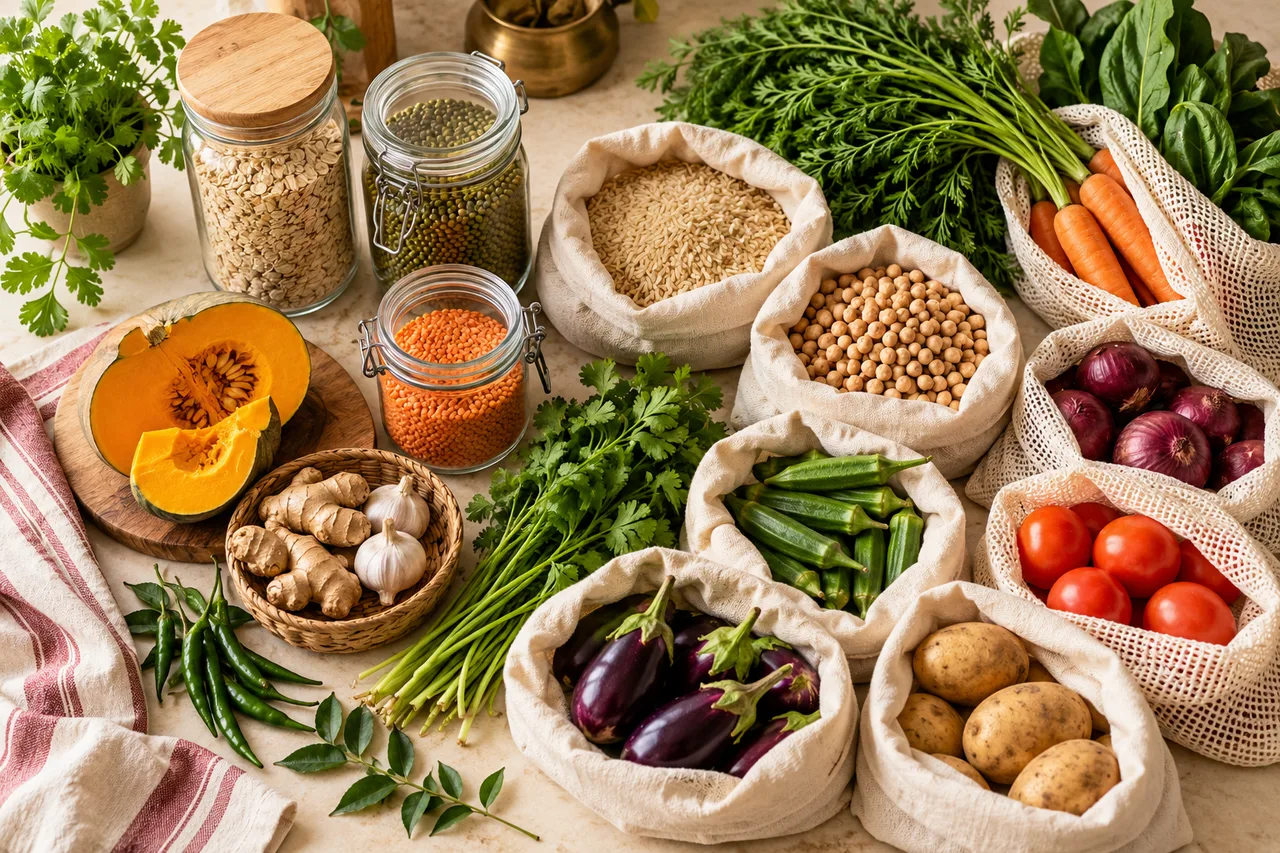
Lower-waste shopping begins before reaching the store. Check what is already at home, identify foods that need using soon and plan a few flexible meals. A short list can reduce duplicate purchases without demanding a rigid weekly menu.
Buy the quantity your household can realistically use. A larger pack is not better value if part of it spoils. Loose produce, refill options and reusable containers can help when they are accessible, hygienic and practical, but the best choice varies by product and household.
Storage is part of the purchase. Keep older food visible, understand date labels and freeze suitable items before they deteriorate. Use leftovers in the next meal when they have been cooled, stored and reheated safely.
Packaging has trade-offs. It can create waste, but it may also protect food and extend shelf life. Focus on reducing unnecessary material while preserving food safety rather than assuming unpackaged is always superior.
Individual habits help, while retailers, manufacturers and public systems also carry responsibility for preventing waste. Source consulted: United Nations Environment Programme food-waste strategy guidance.